
How I turned a fragmented security platform into a cohesive product experience — and transformed design from a service team into a strategic function along the way.
Nearly 3× platform NPSs
80% faster time to first value
25% reduction in support volume
14 products unified across one platform
Development
Veracode had grown by acquisition, not by design. When I joined in April 2022, the platform was fourteen products sharing a login and almost nothing else: SAST, SCA, DAST, an acquired DAST called CrashTest, Security Labs, Longbow (later VRM), Phylum (later Package Firewall), Container Scanning, Repo Scanning, IDE plugins, a CLI, Analytics, a Policy engine, and the AI product I'd go on to ship, Veracode Fix.
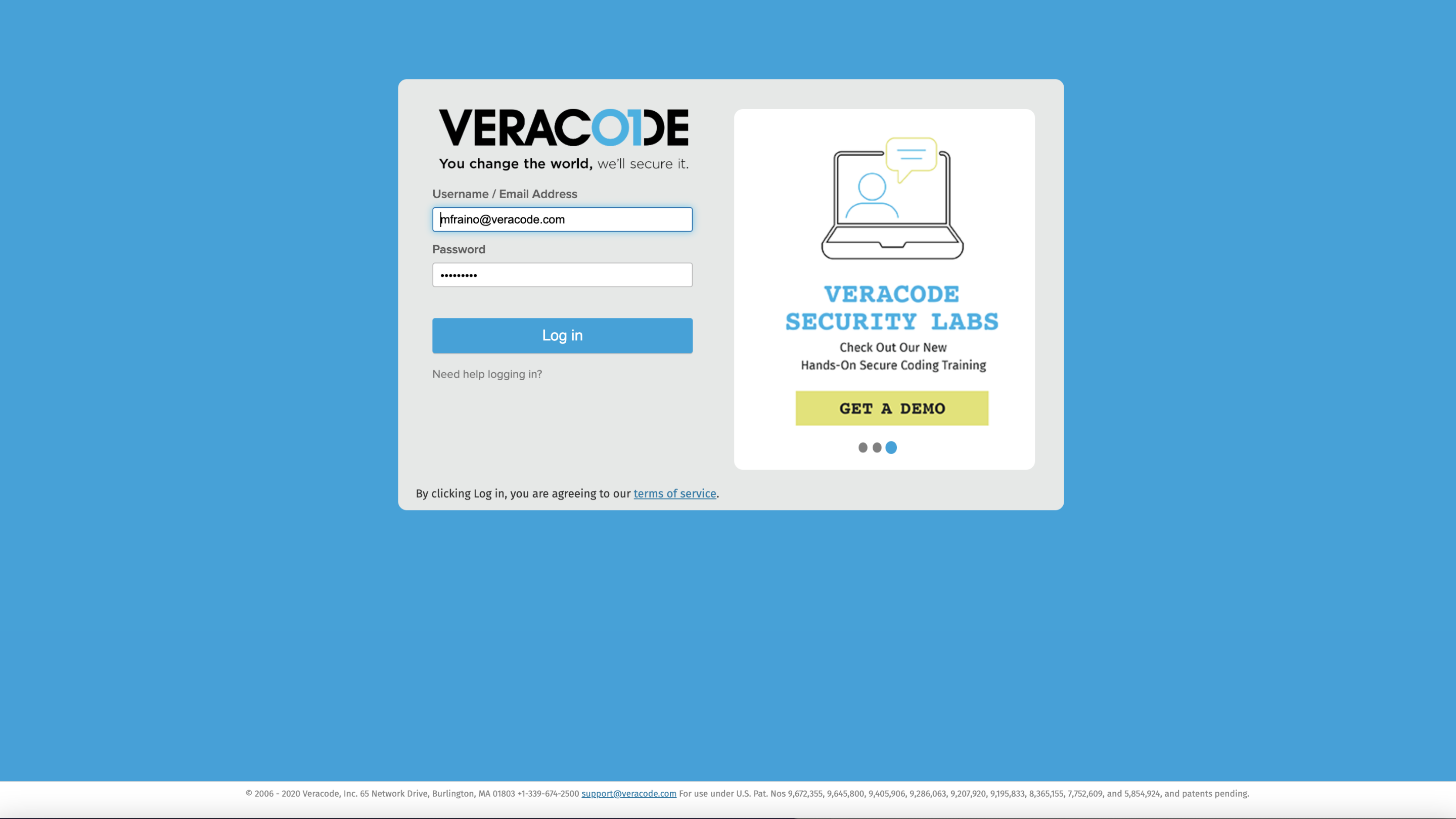
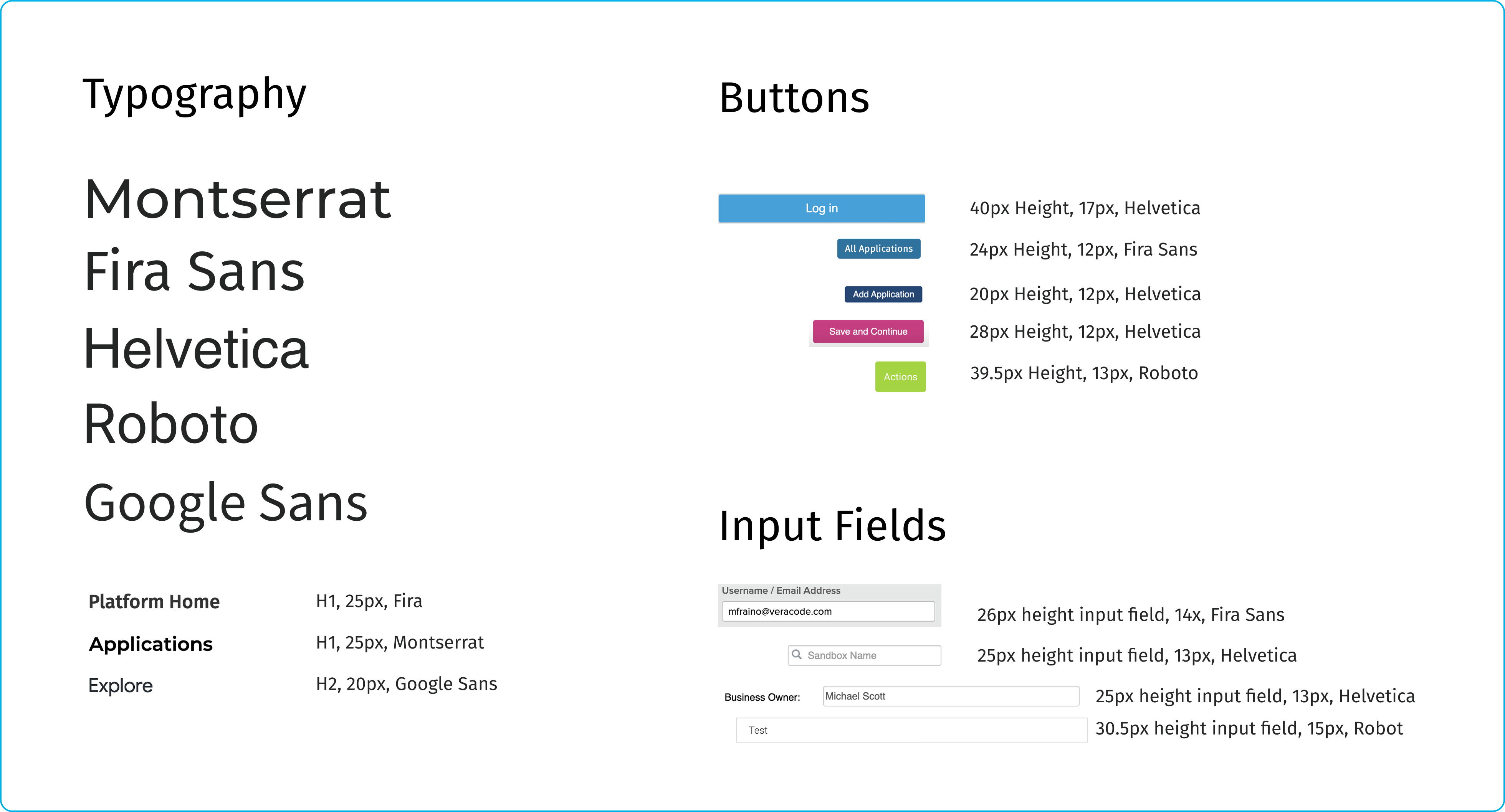
Five button styles. Multiple fonts. Disjointed navigation. An onboarding flow that dropped users off a cliff the moment they activated. Platform NPS sat well below the line where promoters outweigh detractors. And an enterprise customer base (the kind that stands up cross-functional committees to evaluate tools) trying to stitch together a coherent workflow across products that didn't know each other existed.
Design had gone more than a year without leadership. The team was operating as a service desk for engineering tickets. Engineering and architecture ran the roadmap. Design caught what they threw.
Role: Director of Product Design
Duration: Apr 2022 to Present
Team: 14 (design + content strategy)
Customers: Enterprise
Most directors would have started with a style guide. I started with a platform audit and a question no one was asking:
What does it feel like to use Veracode end to end, as a customer, for a week?
The answer was: it feels like fifteen vendors.
So I made three bets. I ran them in parallel, not in sequence, because we didn't have the luxury of doing it cleanly.
1. Build the system before the surface. A unified design language (tokens, components, governance) had to exist before any product team tried to "look unified." Otherwise we'd ship fourteen slightly different versions of the same redesign.
2. Treat the org as the product. Design couldn't become strategic with the same people, the same rituals, and the same reporting lines. The team had to be rebuilt around the work, not around the legacy product boundaries.
3. Embed research, don't deliver it. Enterprise customers weren't a survey population. They were partners I needed permanent access to, through ASCs, SEs, CSMs, and GTM, not a one-off interview cycle.
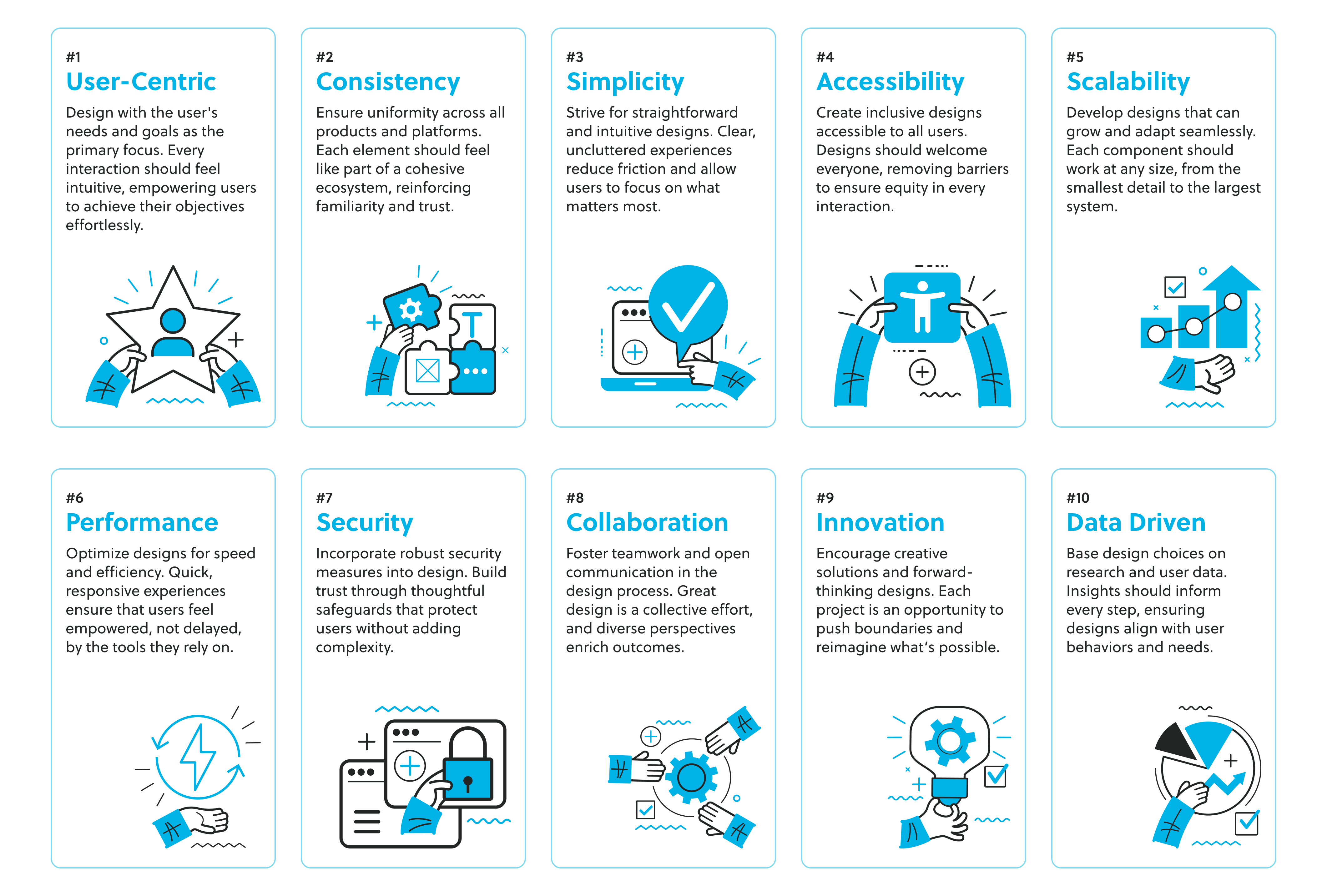
I presented all three as a single strategy to the executive team, anchored by 10 Veracode Design Principles that became the standard framework every product team designed against. That document is still how design decisions get argued at the company.
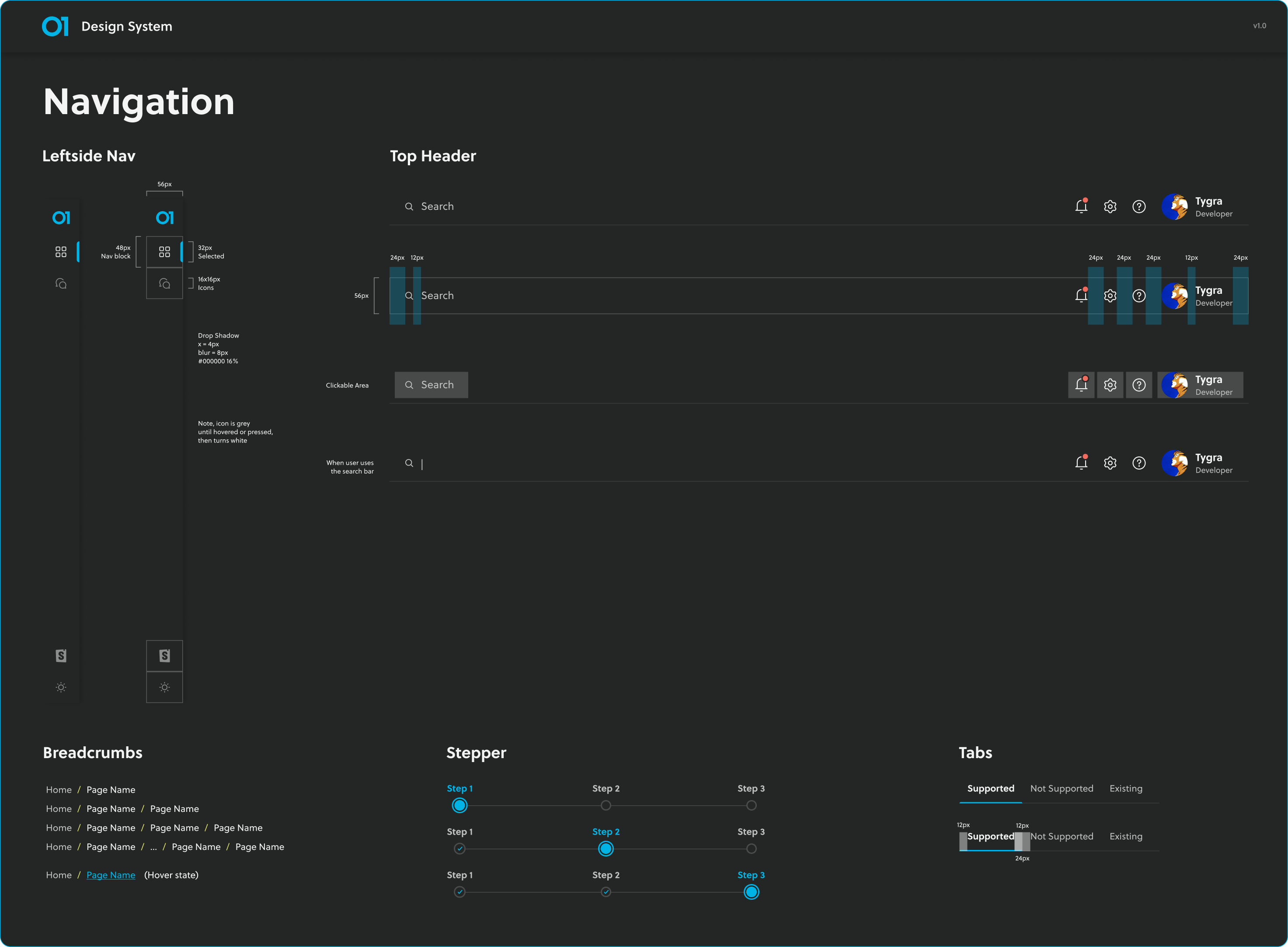
I built Veracode's first unified design system in Figma, from zero. The lite version shipped first (buttons, typography, input fields, navigation) so we could stop the bleeding on visual drift while the deeper system was being built behind it.
From there I partnered with a dedicated UI Enablement engineering team to translate the Figma system into production React components in Storybook. That partnership is what made the system real: designers weren't handing off specs into a void, and engineers weren't rebuilding components per product.
The system grew into a comprehensive, production-grade component library covering every surface from core scan workflows to developer tooling, eLearning, analytics, and admin. It now underpins every surface across the platform, including three acquisition integrations that plugged in without re-platforming: CrashTest becoming DAST Essentials, Longbow becoming VRM, and Phylum becoming Package Firewall. That's the test of a design system: can it absorb an acquisition in weeks instead of quarters.
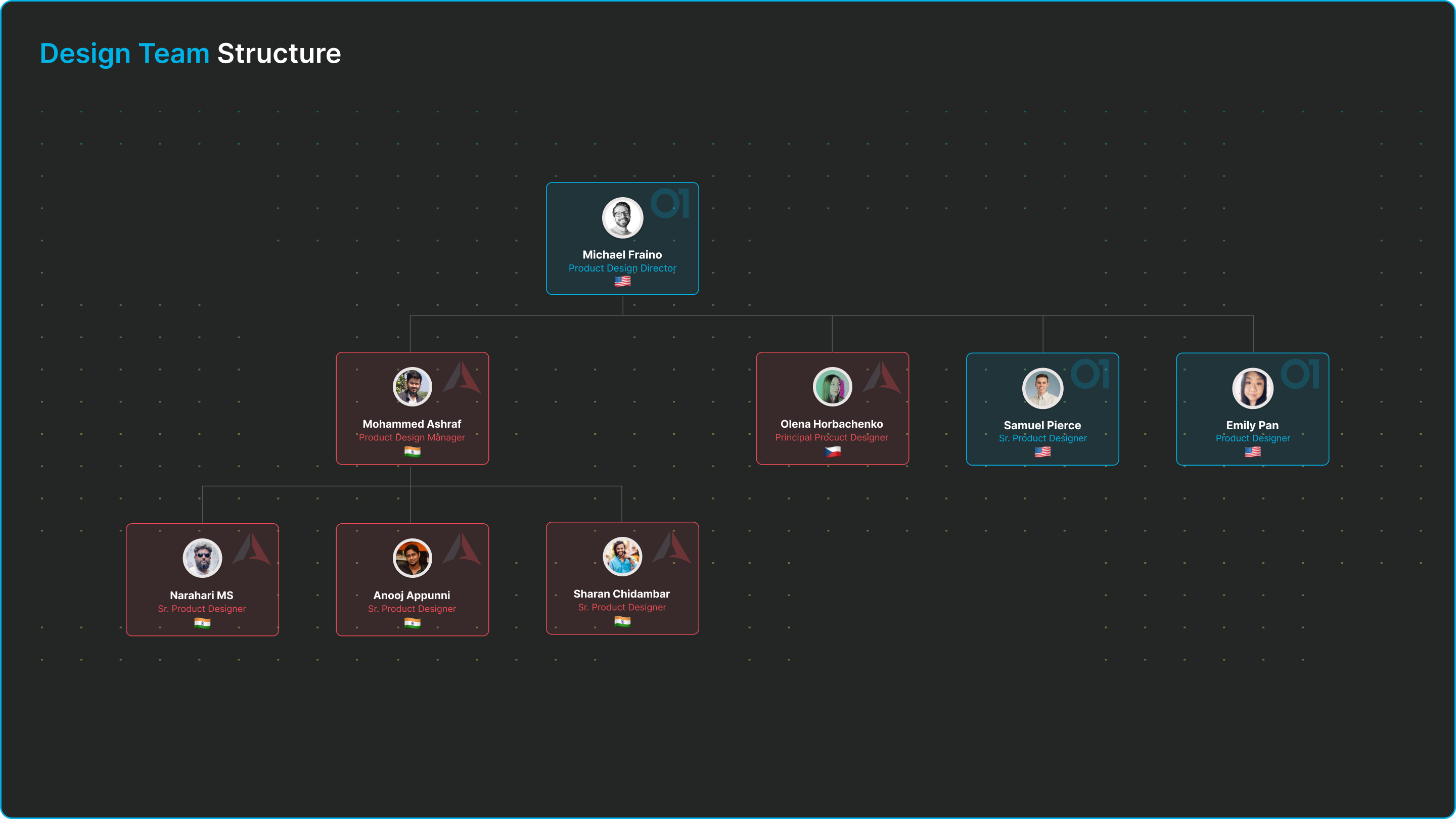
Design had been structured to match Veracode's product silos. I restructured it to match the platform we were trying to become.
I scaled and led a 14-person design and content organization: a Product Design Manager leading six designers (including a dedicated Lead Designer owning the design system), and a Content Manager leading six content developers and documentation writers covering docs.veracode.com, in-product UI, onboarding, and the Security Labs eLearning platform.
The more important shift was cultural. I established:
The output wasn't headcount. It was that product and engineering leaders started bringing design into roadmap conversations months before feature work started, instead of at ticket time.
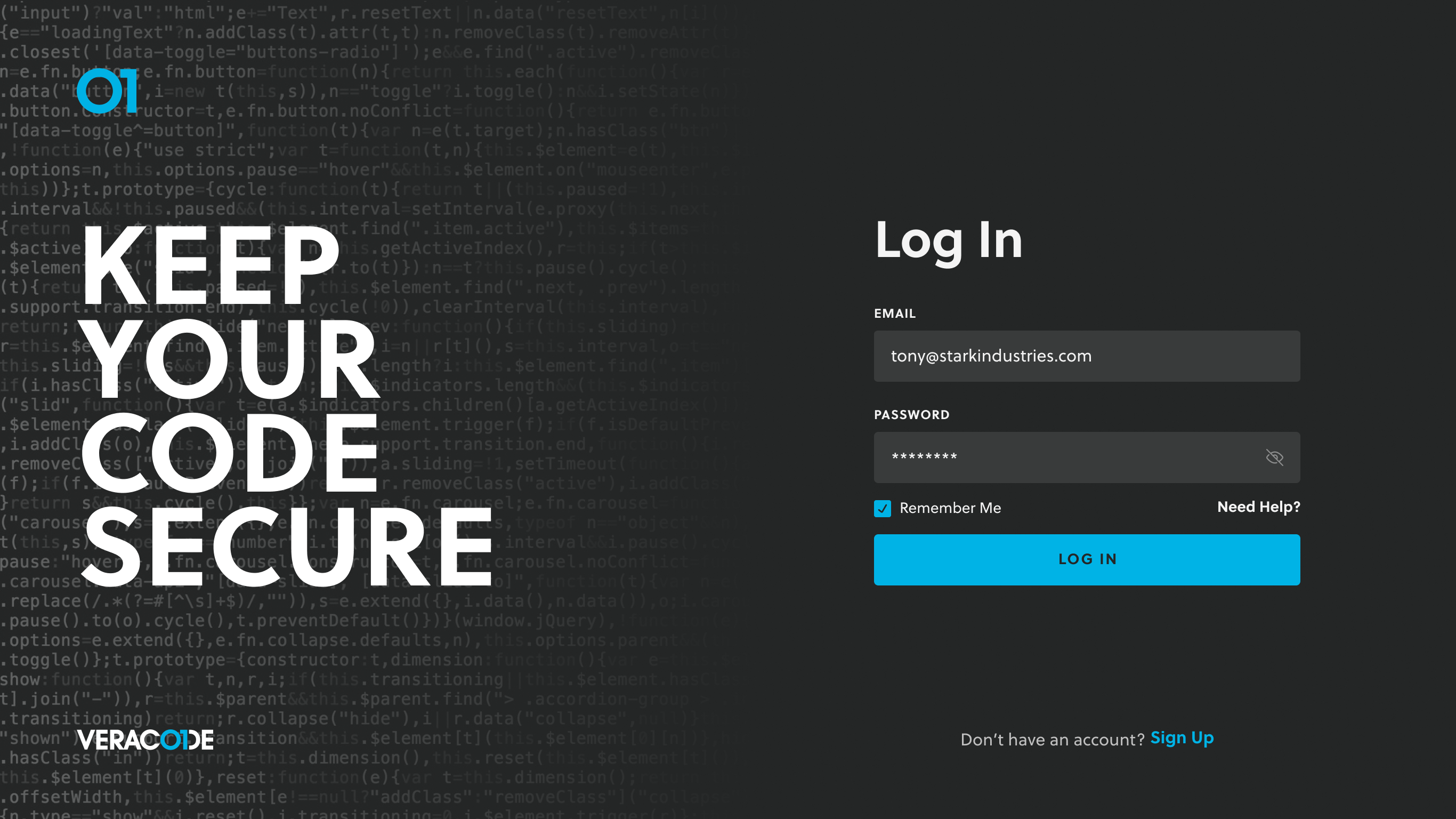
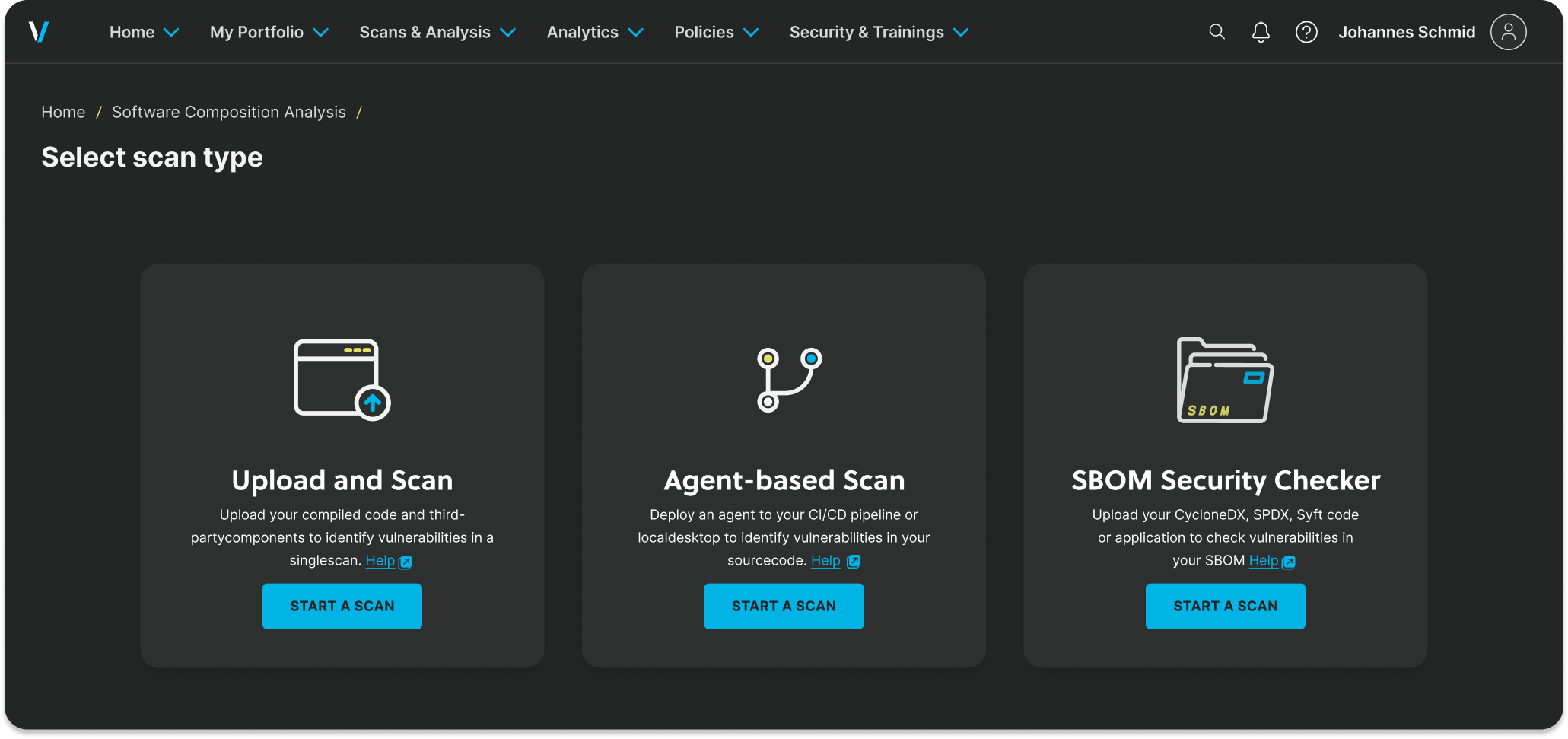
With the system and the team in place, the actual unification work began. The surfaces I audited on day one got rebuilt in priority order: login and onboarding, unified navigation, information architecture, then the core product surfaces themselves.
Key moves:
To make this real with customers, I launched an enterprise customer research initiative in partnership with Application Security Consultants, Sales Engineers, CSMs, and GTM teams. That gave design a permanent pipeline into enterprise users: not a survey panel, but the people already in weekly conversation with our most strategic accounts.
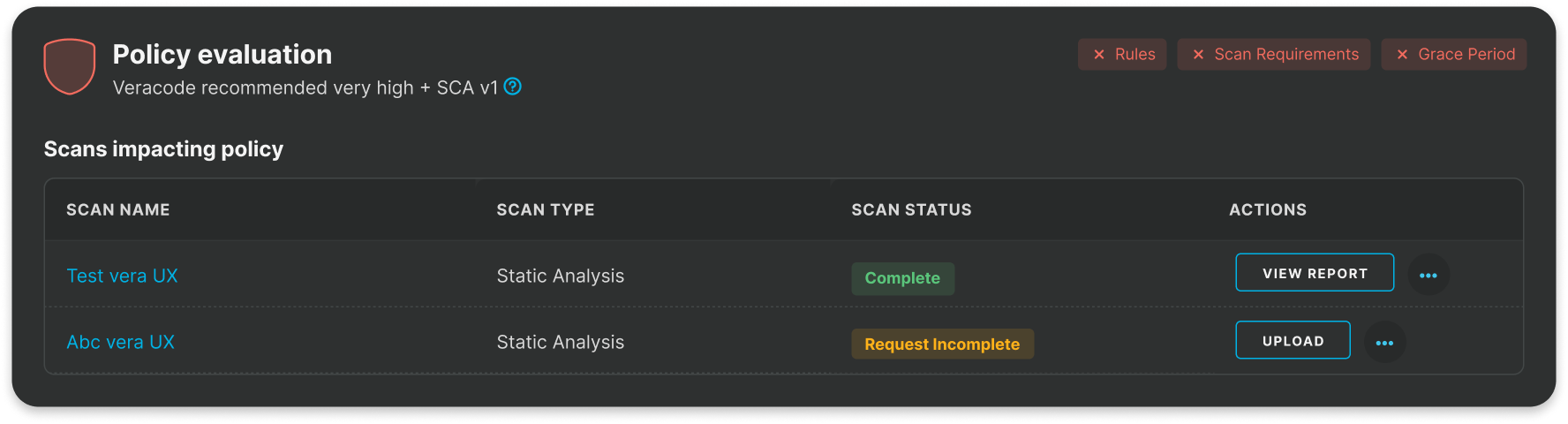
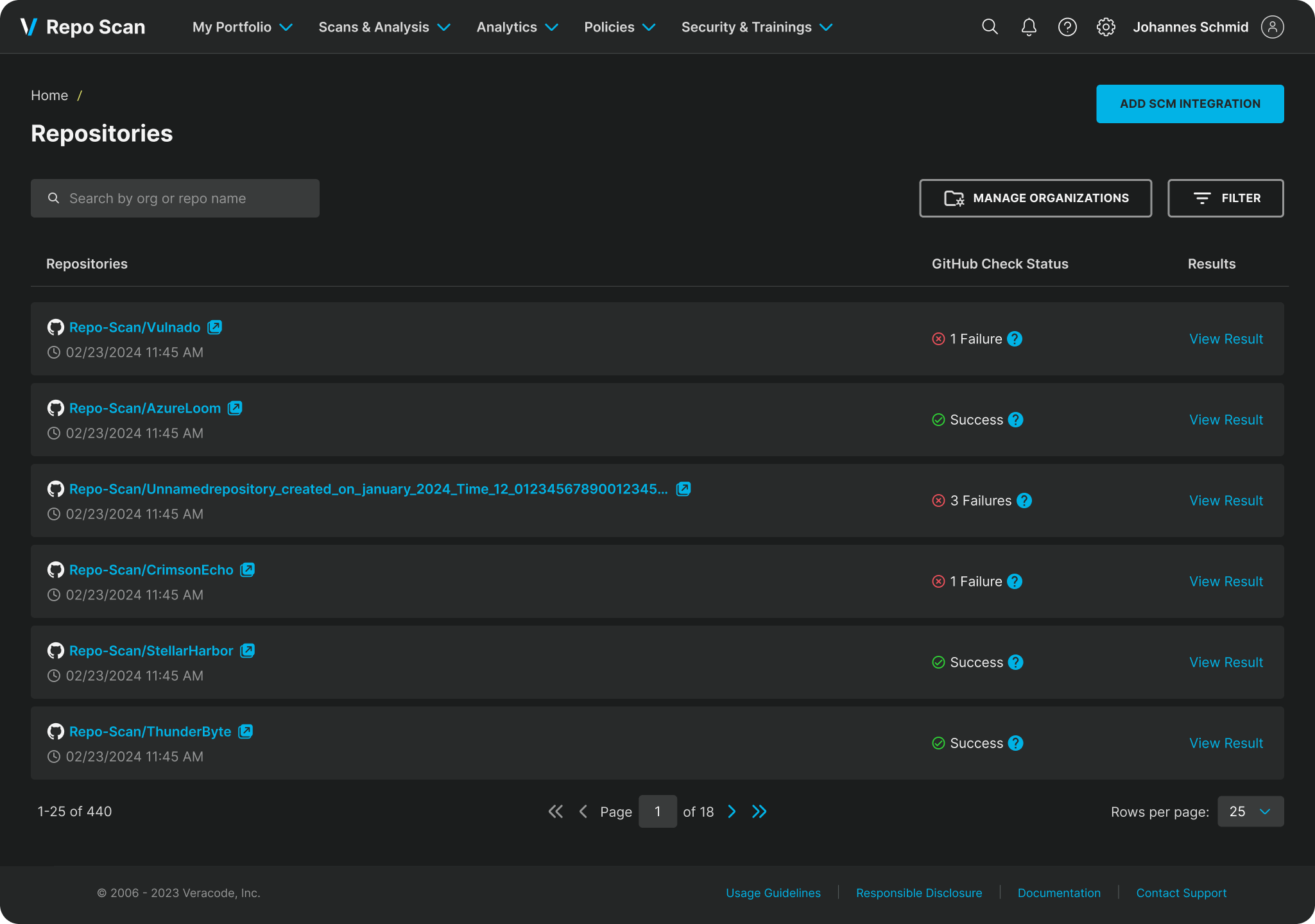
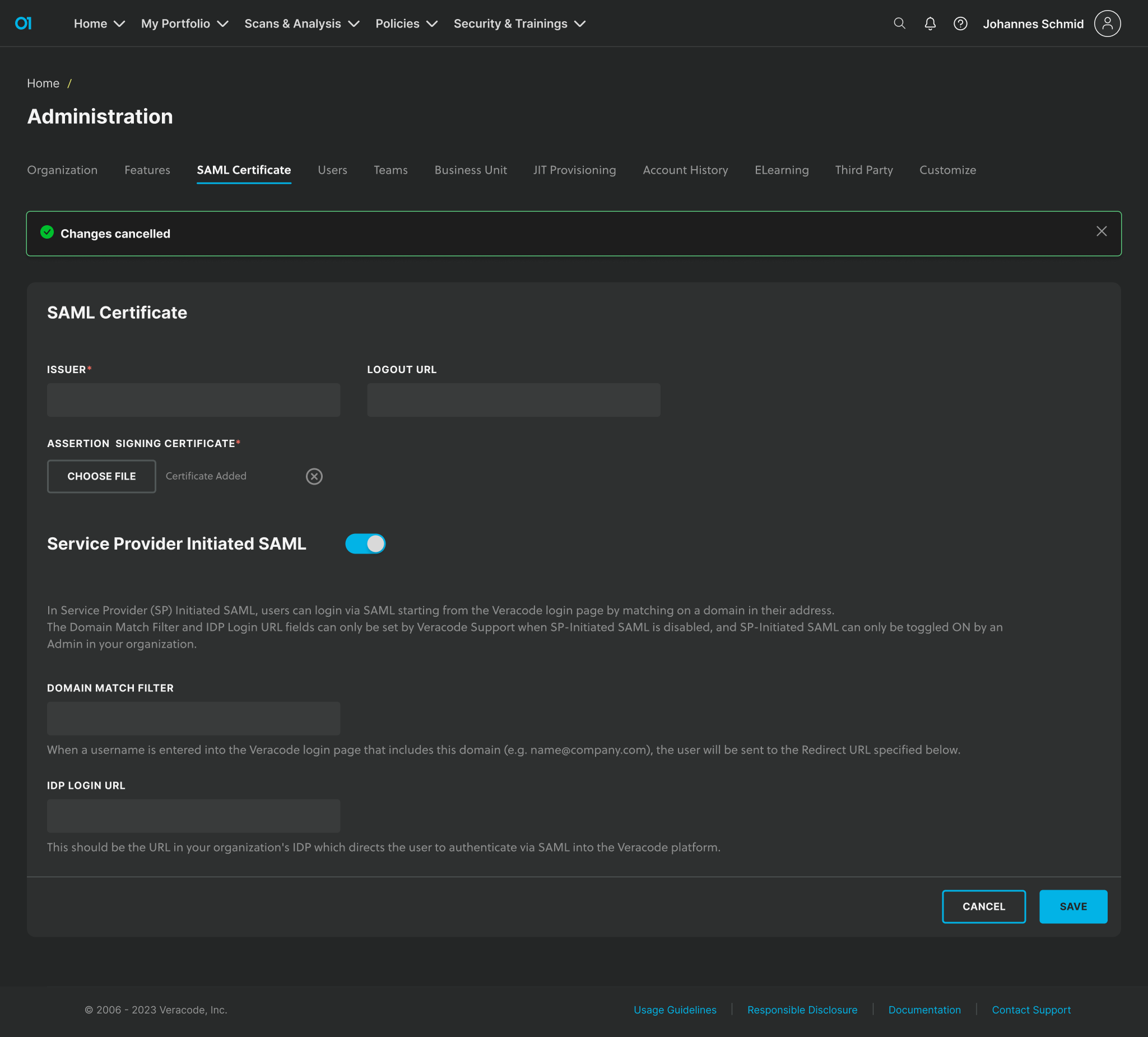
The metrics above are the story the business tells. The story I tell is this: when I arrived, design was where PMs sent tickets. When I left, design was where strategy started.
That shift showed up in small ways that mattered more than they sound. PMs brought problems instead of solutions. Engineers ran component questions through design governance before writing code. The executive team referenced the Design Principles in roadmap debates. The company-wide rebrand, which I partnered on with marketing leadership, treated product design and brand as a single system, not two departments.
None of those are KPIs. All of them are what design maturity actually looks like.
Two things.
I'd invest in design system adoption metrics earlier. We had the system, we had the components, and we had the engineering partnership, but I didn't instrument adoption well enough in year one. I was measuring the wrong thing (did we build it?) when I should have been measuring the thing that mattered (are teams using it without being asked?). I fixed it, but later than I should have.
And I'd fight harder, earlier, for dedicated research headcount. Embedding research through GTM was the right move under the constraints I had, but it capped how deep we could go. If I were doing it again, I'd make the hire in the first six months, not argue for it in year two.
Design, research, and content strategy led by me, with a team of product designers, researchers, content developers, and documentation writers. Engineering partnership from Veracode's UI Enablement team. Rebrand partnership with Veracode marketing leadership.
