
I joined nexVortex as their first and only designer. 18 months later, the company sold. The design work was one of the reasons.
1 sole designer, full-stack product and brand
5 applications redesigned or built from zero
1 full company rebrand (logo, identity, website, voice)
Acquired by BCM One, January 2020
Development
nexVortex had been selling cloud communications since 2002. Real product, real enterprise customers across healthcare, education, government, and finance. But sixteen years of product evolution without a designer had caught up with them. The software looked like 2002. The brand looked like 2002. Customer support calls came in from users who couldn't find the thing they were trying to find.
When I joined in September 2018, there was no design team, no design process, no design system, no brand guidelines, and no formal feedback loop between users and product. I was the entire design function.
The title on paper was Lead UX Architect. The reality was functional Head of Design for a company of real scale. I owned every design decision at nexVortex: UX, UI, brand, visual, product, marketing, and research. No team. No manager on the design side. A direct line to the C-suite and the VP of Marketing.
That had tradeoffs. I was the bottleneck. There was no critique, no second opinion, no one to push back. But it also meant the work was end-to-end coherent in a way that rarely happens when design is distributed across specialists. Every surface came through one set of hands. The brand and the product looked like they came from the same company because they did.
I'll skip the process diary. Here's what actually shipped.
The old nexVortex logo was sixteen years old and looked it. I pitched a full rebrand to the executive team, got the buy-in, and led it end to end: new logo, new color system, new typography (Avenir became the brand typeface), new voice and tone, and microbrands for each product line. The rebrand rolled out across every customer surface in parallel with the product redesigns.
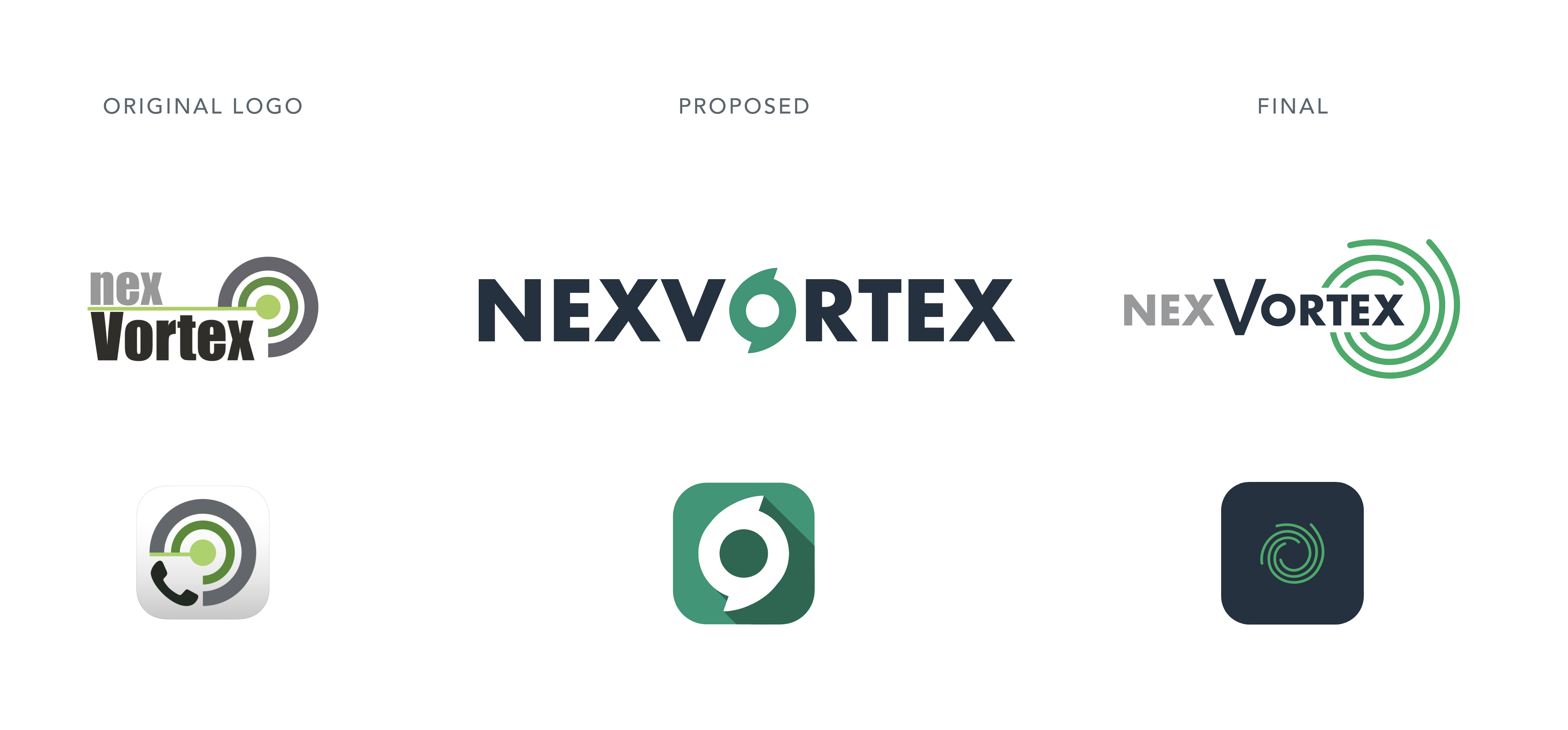
Check out the brand guide
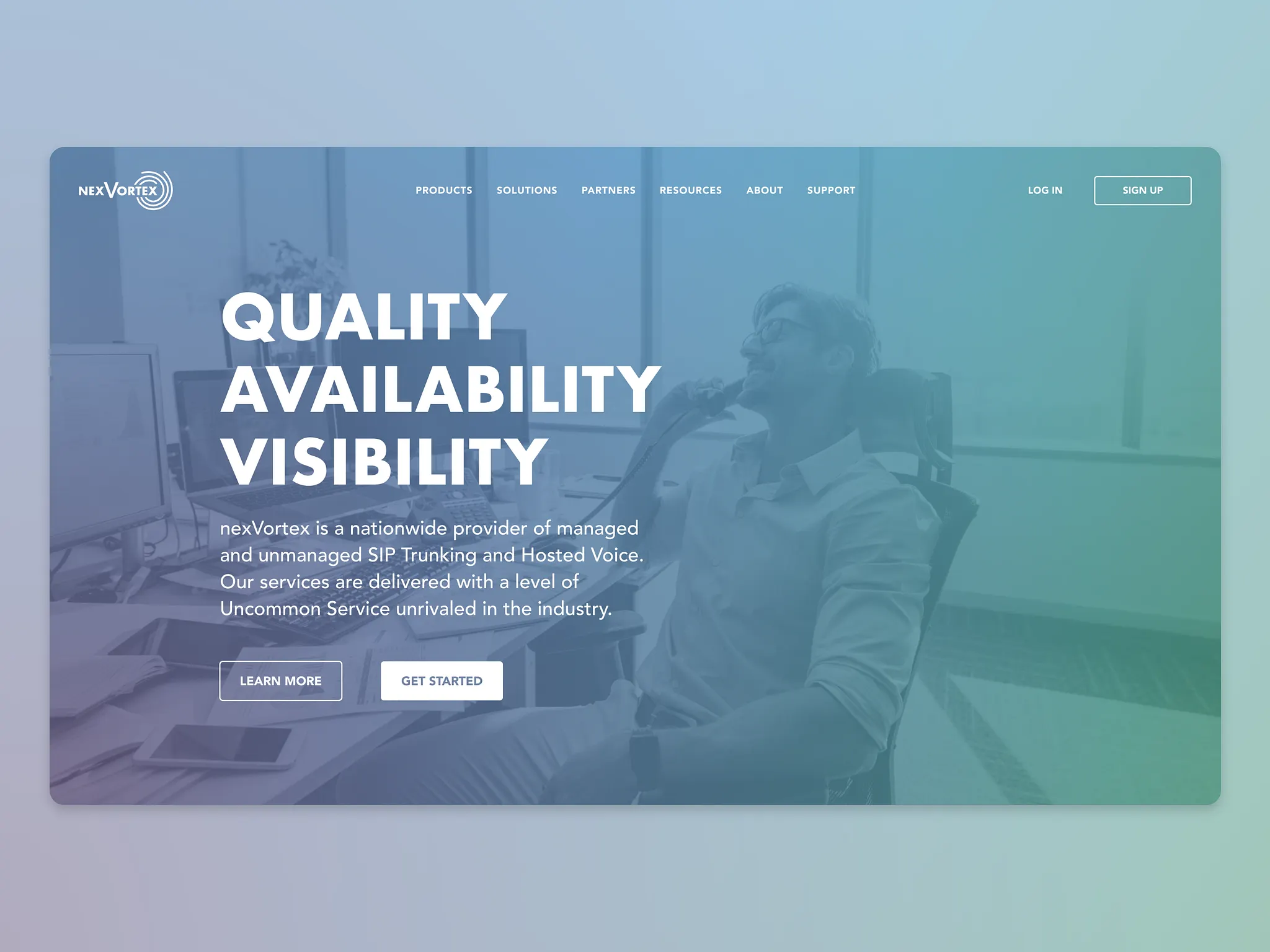
A new public-facing website designed and shipped in three months, in parallel with the product work. I partnered with the VP of Marketing on voice, positioning, and information architecture, and designed and oversaw the build end to end. Archived version via Wayback Machine.
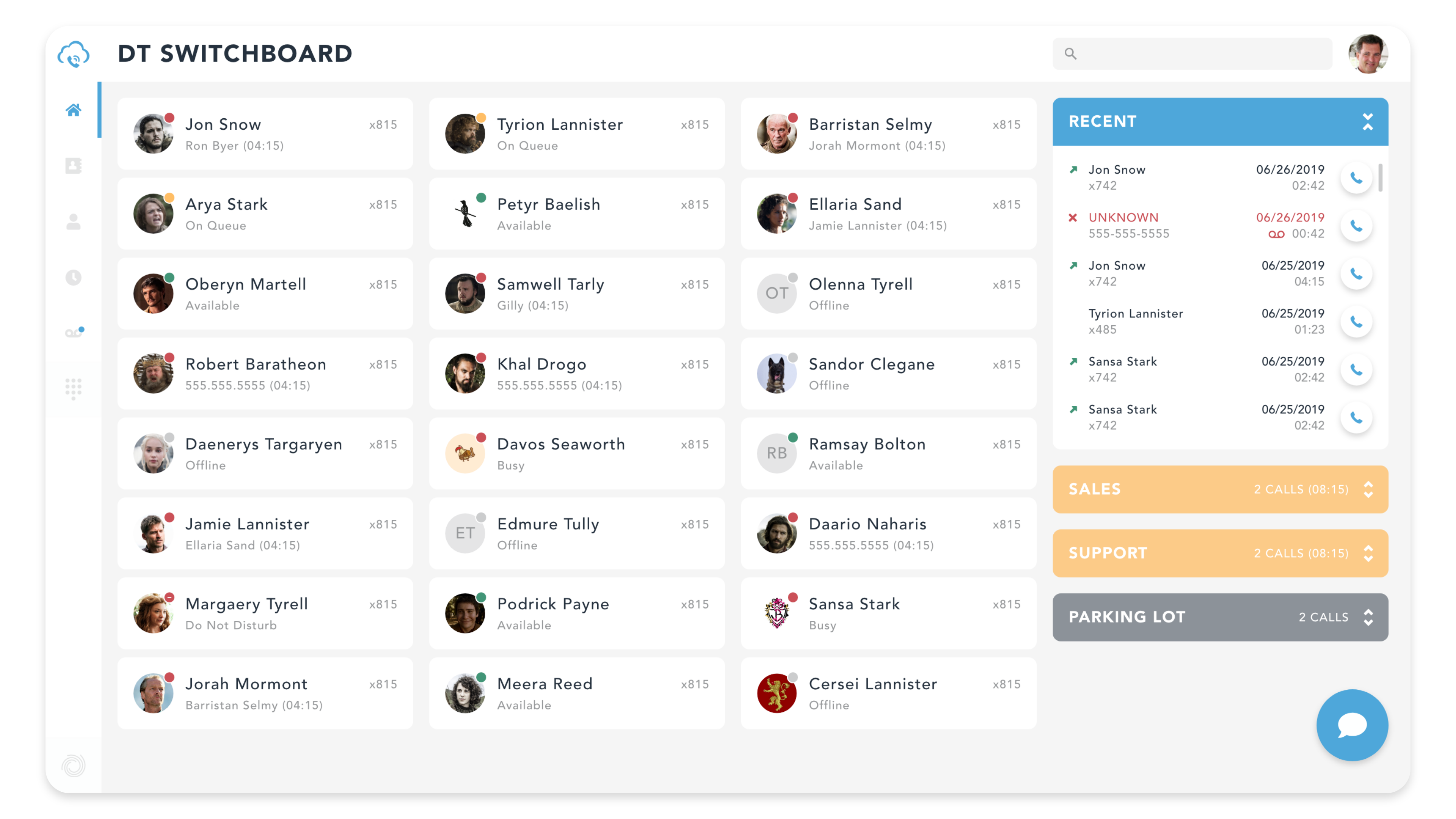
I built nexVortex's first design system from scratch: components, typography, color, spacing, and interaction patterns, with full handoff documentation including specs and code snippets for the engineering team. The system was the reason I could design and ship five product surfaces in eighteen months as a team of one. It also outlasted me. Components built in this system continued to ship long after the acquisition.
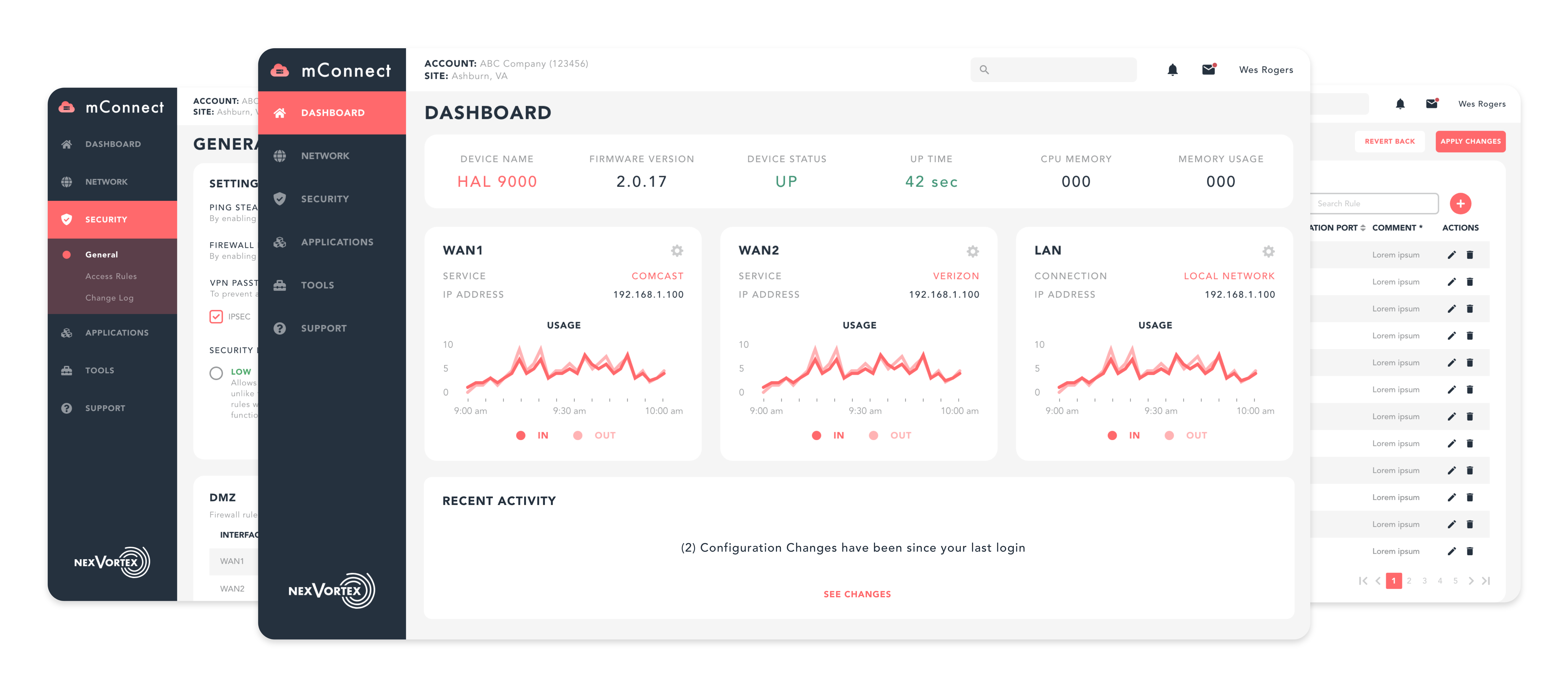
Five applications redesigned or built from zero, each with a full prototype you can explore:

Three choices shaped the eighteen months:
I started with strategy, not visuals. Before I touched a pixel, I ran stakeholder interviews with the C-suite and VP-level, user interviews with internal and external users, and a full UX audit. The audit gave me the evidence I needed to pitch the rebrand and the redesign scope to the executive team. Without that evidence, I'd have been asking for trust I hadn't earned yet.
I designed for the engineering team as much as for the user. Because I was solo, I couldn't afford slow handoffs. Every design deliverable included the documentation engineering needed to build without coming back with questions. That investment compounded. By month six, handoff friction was close to zero.
I ran my own critique with the people who would use the product. No design team meant no internal critique. I replaced it with feedback loops with product managers, principal engineers, and customers. The feedback was rawer and sometimes less useful than designer critique, but it was closer to the people who actually had to live with the decisions.
Two things.
I'd fight for a second designer earlier. I shipped a lot solo, but the ceiling on quality is always going to be higher with critique and collaboration than without. I told myself the speed gains from working alone outweighed that, and I was wrong. A second designer in month six would have made the work better, not slower.
And I'd instrument the products I shipped. I have qualitative evidence that support calls went down and that users found the new products easier to use. I don't have the quantitative numbers I wish I had, because I didn't set up the tracking to capture them. A lesson I took with me into every role since.
Design, brand, and research led by me as the sole designer at nexVortex. Engineering, product, and executive partnership from the nexVortex team. Marketing partnership from the VP of Marketing on the rebrand and website.
